
By the time kids get home from school, they’ve already had a full day. Then the backpack opens and there’s a worksheet, a reading log and a project due Friday. No wonder homework time can get bumpy.
A routine takes the guesswork out of it. When kids know what comes next, there’s less arguing and more doing. Here’s how to build one that works for your family.
1. Reset first: snack, move, then work
Most kids need a break between school and homework:
- Snack time. A quick snack and some water help kids refuel.
- Move it. A few minutes of running, dancing or a quick walk shakes out the wiggles.
- Quick chat. Ask about the best part of their day before asking about homework.
Comfy clothes help the switch from school mode to home mode. The Spunky Graffiti Kids Set is a matching t-shirt and sweatpants combo with a playful abstract cartoon face and bold lettering, made from soft, breathable fabric for all-day comfort, and the Spunky Art Graphic T-Shirt features a vibrant, art-inspired design with motivational quotes and expressive doodles.


2. Set up a homework spot
It doesn’t have to be a desk. The kitchen table works great. What matters is that it’s the same spot most days:
- Good light and a clear, flat space.
- Supplies in one place. Keep pencils, erasers, crayons and a ruler in a cup or bin.
- Fewer distractions. Put away toys and park screens that aren’t needed for the assignment. Our screen time balance post has more ideas.
- A grown-up nearby for questions, especially for younger kids.
Let kids help set up the spot and decorate their supply cup. When they help build it, they’re more likely to use it.
3. Pick a regular time
A regular time makes homework a habit instead of a debate:
- Same time most days, like right after snack or right after a little outdoor play.
- Make a picture checklist: snack, move, homework, pack up, play.
- Plan for busy days. On practice or activity nights, decide ahead of time when homework fits in.
- Use a weekly peek. On Sunday, look at what’s due that week so big projects don’t sneak up.
Our school morning routine post uses the same checklist idea for mornings, and our goal setting for kids post shows how to break big projects into small steps.
The Lightning Bolt Kids T-Shirt carries Jax’s lightning bolt, with a dynamic lightning bolt and star graphic on soft, comfortable cotton, and the Lightning Bolt Kids’ Jeans have a vibrant lightning bolt and star patch on durable, comfortable denim with a classic fit.


4. Work in small chunks with breaks
Long stretches can feel overwhelming. Break it up:
- Hardest first. Start with the toughest task while energy is high, or start with an easy win to build momentum. Let kids choose.
- Use a timer. Work for a short stretch, then take a quick stretch or water break.
- Check it off. Crossing items off a list feels great.
- Pack it up. When it’s done, put finished work right back in the backpack so mornings are easier.
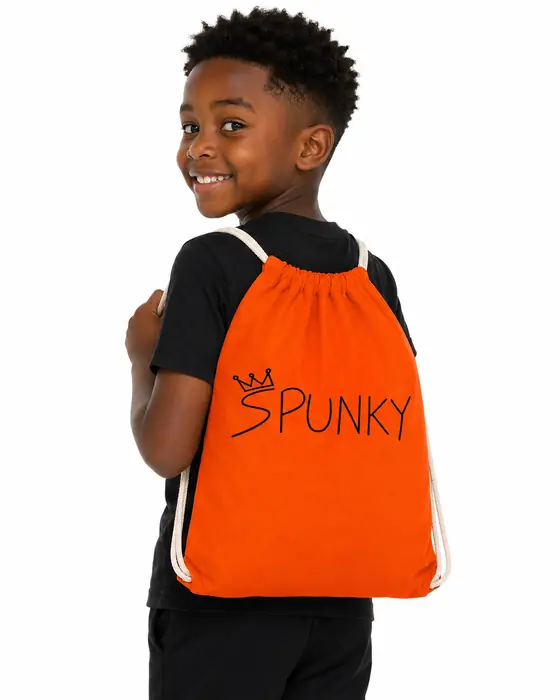
The Spunky Drawstring Backpack has a playful “SPUNKY” print with a crown detail and comfortable white rope straps, and the SPUNKY Vertical Graphic T-Shirt has graffiti-inspired lettering down the left side, a playful crown, scattered stars and splashes of red, yellow, blue and black.

5. Help without taking over
It’s tempting to give the answer. Instead, help kids find it:
- Ask questions. “What does the question ask you to do?” or “Where could you look?”
- Praise effort. “You kept trying on that one” means more than “You’re so smart.” Our growth mindset for kids post explains why.
- Let mistakes show. Teachers learn what to reteach when they see real work. Our problem-solving skills post has more ways to help kids get unstuck.
- Celebrate finishing. A high five and some free play are a great reward.
Reading time counts too. Our how to raise a reader post keeps reading fun, not a chore.
Every kid is different, and some nights will be harder than others. A grown-up should help with scissors, glue guns and any project tools, and keep an eye on online searches for school projects. If homework regularly ends in tears or takes much longer than expected, talk with your kid’s teacher. Our parent-teacher conference tips can help. If you have questions about attention or learning, check with your pediatrician.
Snack. Focus. Then play.
More everyday ideas: try our chores for kids by age and journaling for kids posts, or browse the full collection. Every product page has the full details, and our returns & refunds policy explains exchanges. Questions? Write to standout@spunkyones.com.