
“Can I feed him?” “Can I hold her?” Kids are often the first in line to help with a family pet. That eagerness is a great starting point for learning kindness and follow-through.
The trick is to match the job to the kid, keep a grown-up in charge of the pet’s health and safety, and make caring for an animal feel like a team effort. Here is a simple plan for families with a dog, cat, fish, bird or small critter, and ideas for families with no pet at all.
1. Pick pet jobs that fit your kid’s age
Start small and add more as kids show they are ready:
- Little helpers: scoop dry food into the bowl with a grown-up, refill the water dish or put toys back in the pet basket.
- Early school age: brush a calm pet, help measure food and remind the family about feeding time.
- Older kids: help clean a cage or tank with a grown-up, join walks and track the care chart.
- Grown-ups only: medicine, vet visits and anything that needs a careful, steady hand.
Our chores for kids by age and teaching kids responsibility posts have more ideas for giving kids real jobs.
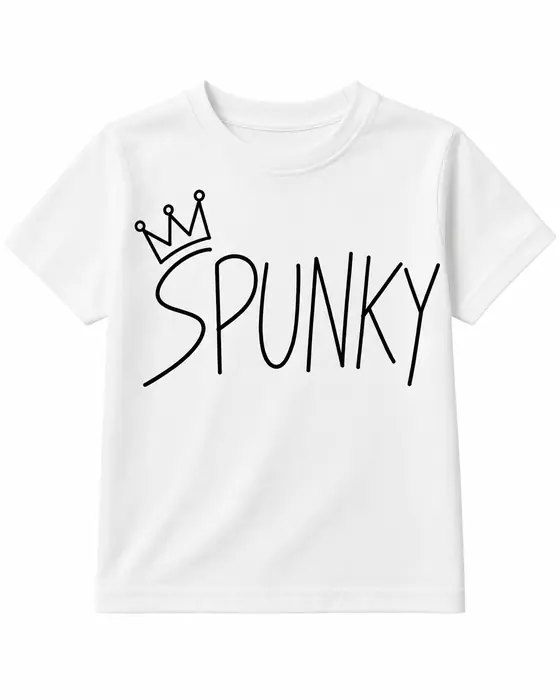
The Spunky Kids Graphic Tracksuit is a matching hoodie and joggers set with artistic faces, playful hearts and crowns, and “SPUNKY” in colorful letters down the sleeve and leg, and the Spunky Kids’ T-Shirt is a white cotton tee with “SPUNKY” and a fun hand-drawn crown, an easy match for just about anything, comfy picks for floor time with a furry friend.

2. Make a pet care chart
A chart helps everyone remember, and it lets kids see their part:
- List the daily jobs like food, water, play and a quick tidy of the pet’s space.
- Add pictures so younger kids can follow along.
- Put names next to each job and switch them each week.
- Celebrate a full week with a sticker or a special pet play session.
Our time management for kids post has more tips for checklists that kids actually use.
3. Practice gentle hands and kind words
Pets have feelings too, and kids can learn to read them:
- Let the pet come to you. Hold out a hand and wait.
- Pet softly in one direction and keep faces a little bit away.
- Notice the signals. A pet that walks away, hides or hisses needs space.
- Use quiet voices around sleeping or eating pets.
- Always ask first before petting someone else’s animal.
Reading a pet’s body language is great practice for reading people, too. Our teaching kids empathy and teaching kids patience posts build on the same skills.
4. Plan walks and playtime
Play is part of care, and it is the part kids love most:
- Join the walk. Kids can carry the treats or hold a second leash with a grown-up holding the main one.
- Make a toy. A knotted old sock or a cardboard box hideout can be a hit, with a grown-up checking it is safe for your pet.
- Teach a simple trick together, like “sit,” with lots of patience and praise.
- Keep it short and fun. Stop while the pet is still having a good time.
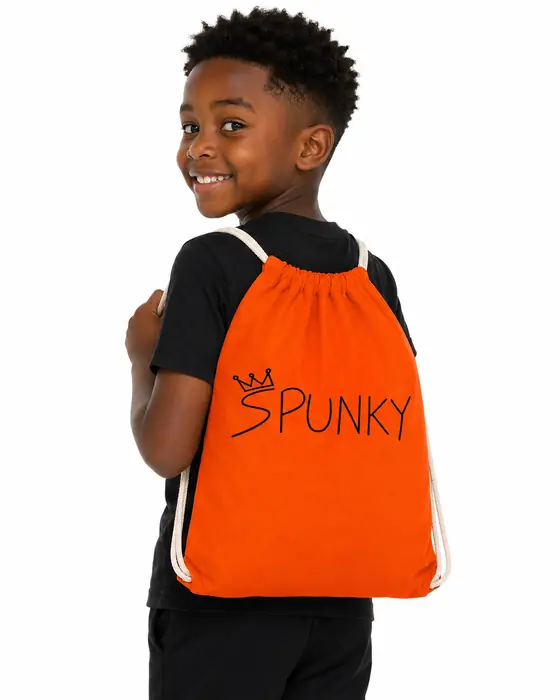
The Spunky Drawstring Backpack has a playful “SPUNKY” print with a crown detail and comfortable white rope straps, durable yet lightweight for carrying a water bottle and walk supplies, and the SPUNKY Bucket Hat has a colorful, bold design, a crown detail and vibrant lettering, ready to grab on the way out the door.

Our hiking with kids post has more tips for happy walks outdoors.
5. No pet? Ways to love animals anyway
Not every family can have a pet, and that is okay. Kids can still care for animals:
- Help a neighbor or relative with their pet, with a grown-up along.
- Make blankets or toys for a local animal rescue, after checking what they need.
- Watch the birds and squirrels outside and keep a simple animal journal.
- Practice with a stuffed animal. Feeding, brushing and a “vet check” make great pretend play.
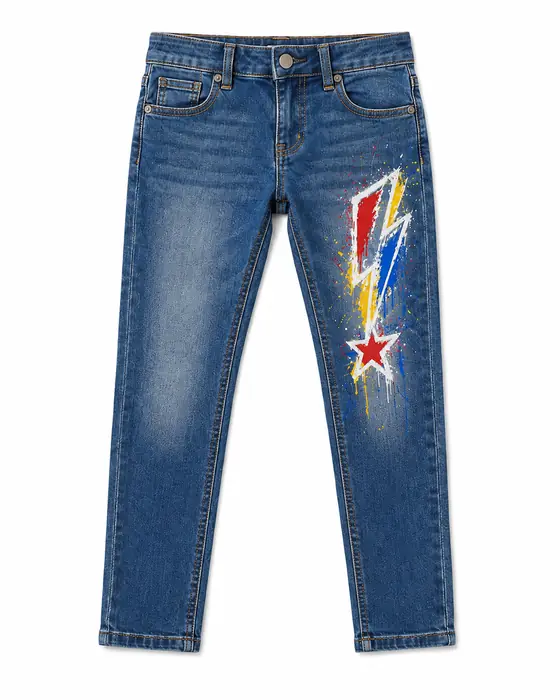
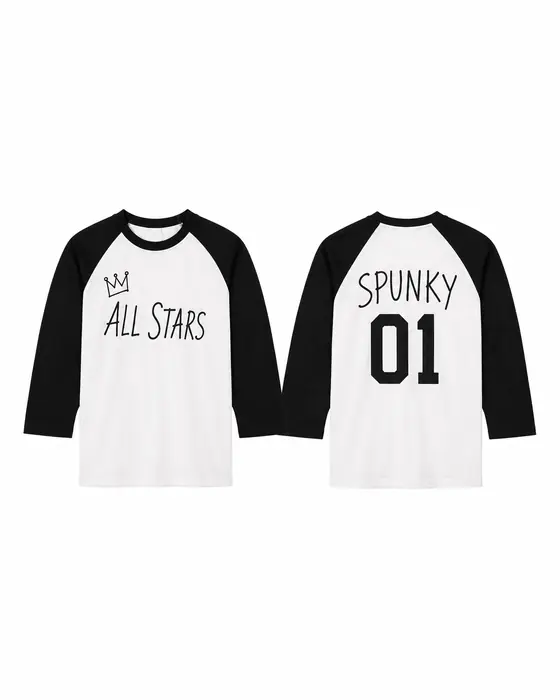
The Lightning Bolt Kids’ Jeans have a vibrant lightning bolt and star patch on durable, comfortable denim with a classic fit, and the All Stars Raglan Tee has bold contrasting black sleeves, fun front and back prints and “Spunky 01” on the back, a team look for a family of animal lovers.
Our volunteering ideas, journaling for kids and pretend play ideas posts have more ways to get started.
Always have a grown-up supervise kids with animals, help kids wash their hands after touching pets, food bowls or litter, and keep pet food, medicine and small pet supplies out of reach of little ones. Your vet is the best guide for questions about your pet’s food, health and behavior.
Gentle hands. Big hearts. Stand out.
More family ideas: try our photography for kids and kindness in action posts, or browse the full collection. Every product page has the full details, and our returns & refunds policy explains exchanges. Questions? Write to standout@spunkyones.com.