Your kid comes home quiet. Later it spills out: a group at recess wanted them to leave someone out of the game, and they went along with it. Now they feel bad and are not sure what they should have done.
Peer pressure starts earlier than many parents expect, and it is not always dramatic. Often it is a small nudge: laugh at the joke, skip the turn, copy the answer, say the thing everyone else is saying. Kids who have practiced a few simple moves at home are much more ready to make their own call in the moment. Here is how to build that confidence.
1. Help them spot the push
Kids can’t push back on pressure they don’t notice. Talk through what it can look like:
- The direct ask. “Come on, just do it.”
- The quiet kind. Everyone is doing something, and no one says a word.
- The tease. “What, are you scared?”
- The body signal. A tight tummy or a hot face can mean “this doesn’t feel right.”
Use stories, shows and books as practice. Pause and ask, “What do you think she should do?” It is easier to think clearly about a character than about yourself.
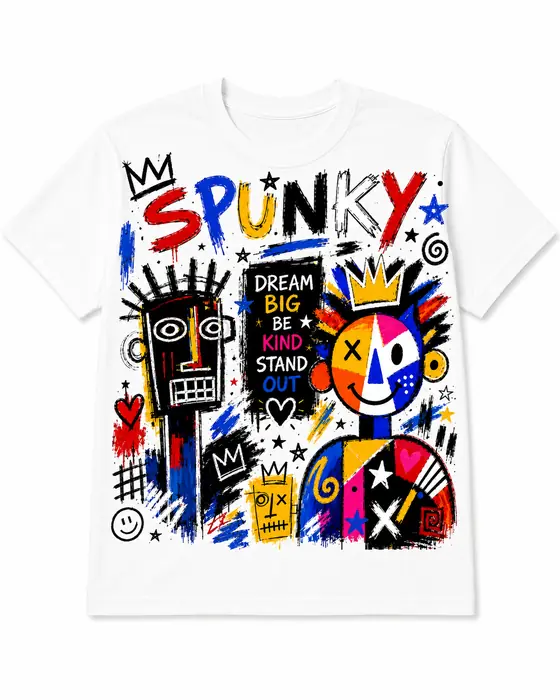
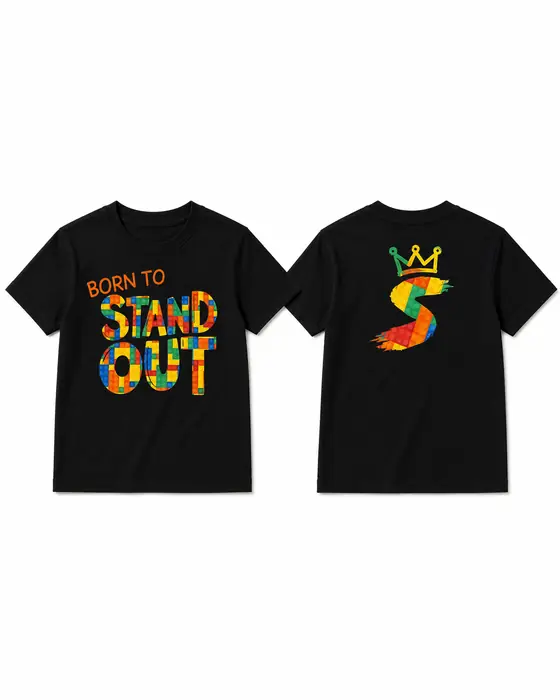
The Spunky Dream Big Graphic Tee brings a Basquiat-inspired street-art design and messages to dream big, be kind and stand out, and the Stand Out Graphic T-Shirt says “Born to Stand Out” in vibrant, multicolored lettering on a black tee, with a creative crown design on the back, two easy reminders that it is okay to be different from the crowd.
2. Practice easy “no” scripts
In the moment, kids rarely have time to invent the perfect answer. Give them a few short lines to rehearse at the kitchen table:
- The simple no. “Nah, I’m good.”
- The switch. “Let’s play tag instead.”
- The broken record. Say the same calm “no” again, without arguing.
- The blame-a-grown-up line. “My family has a rule about that.” Let them use you as the reason.
Role-play both sides and make it a little silly. A kid who has said “Nah, I’m good” ten times at home will find it easier to say once at school.
Our teaching kids self-control and public speaking for kids posts have more ways to practice a steady voice.
3. Plan a way out
Sometimes the best move is to leave the situation:
- Walk toward a grown-up or a different group.
- Use a family code word by text or call that means “please come get me, no questions right now.”
- Bring a buddy along. It is easier to say no when one friend says it with you.
- Know that leaving is not losing. Walking away is a strong choice.
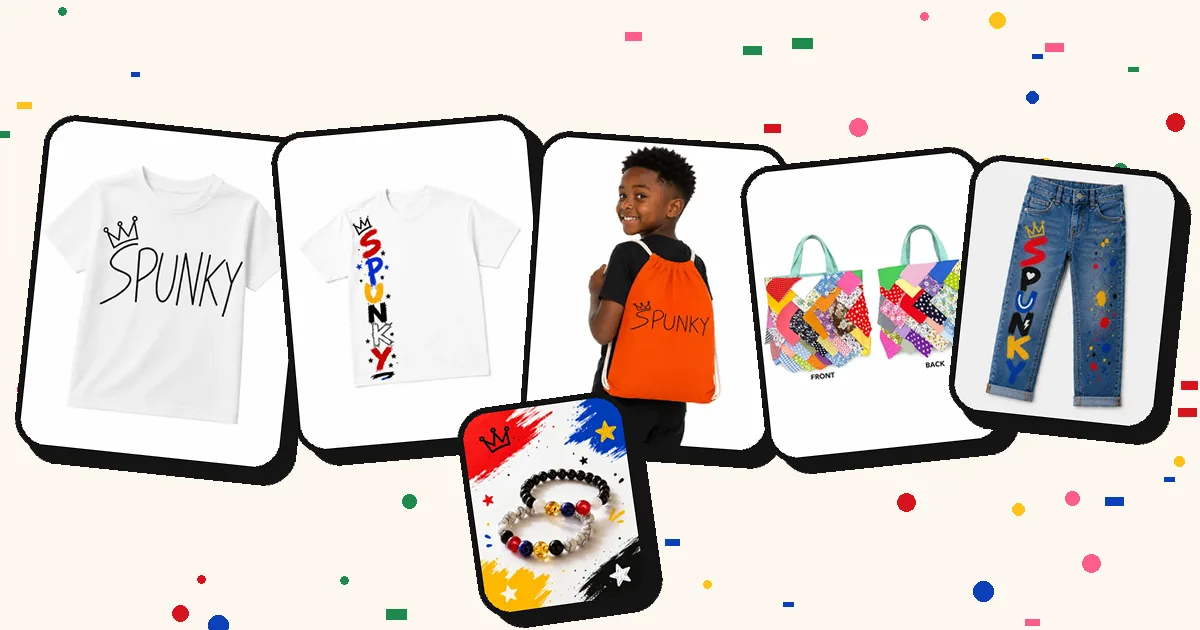
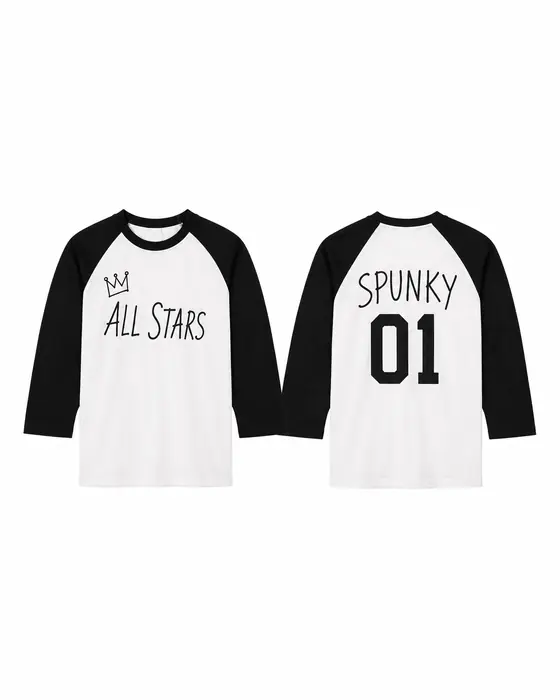
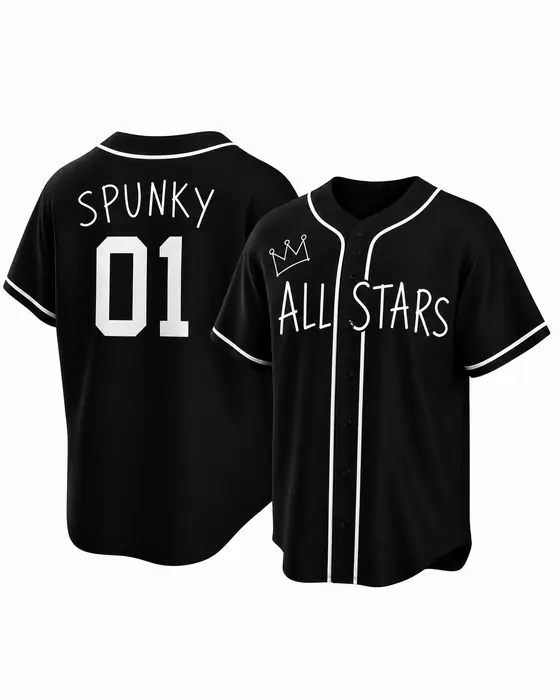
The All Stars Raglan Tee has bold contrasting black sleeves, fun front and back prints and “Spunky 01” on the back, and the All Stars Baseball Jersey is a sleek all-black design with bold white accents, an “All Stars” print with a crown on the front and “Spunky 01” on the back, a team look for kids who stick together and step away together.
4. Help them find friends who respect them
The best protection against bad pressure is good company:
- Talk about what a good friend does. Listens, takes turns, accepts a no.
- Make room for activities they love, where they meet kids with the same interests.
- Notice positive pressure, too. A friend who cheers them to try out or finish a project is a keeper.
- Remind them they can be kind and still say no. “No thanks” doesn’t have to be mean.
Our how to help kids make friends, leadership skills for kids and talking to kids about bullying posts go deeper on choosing friends and being an upstander.
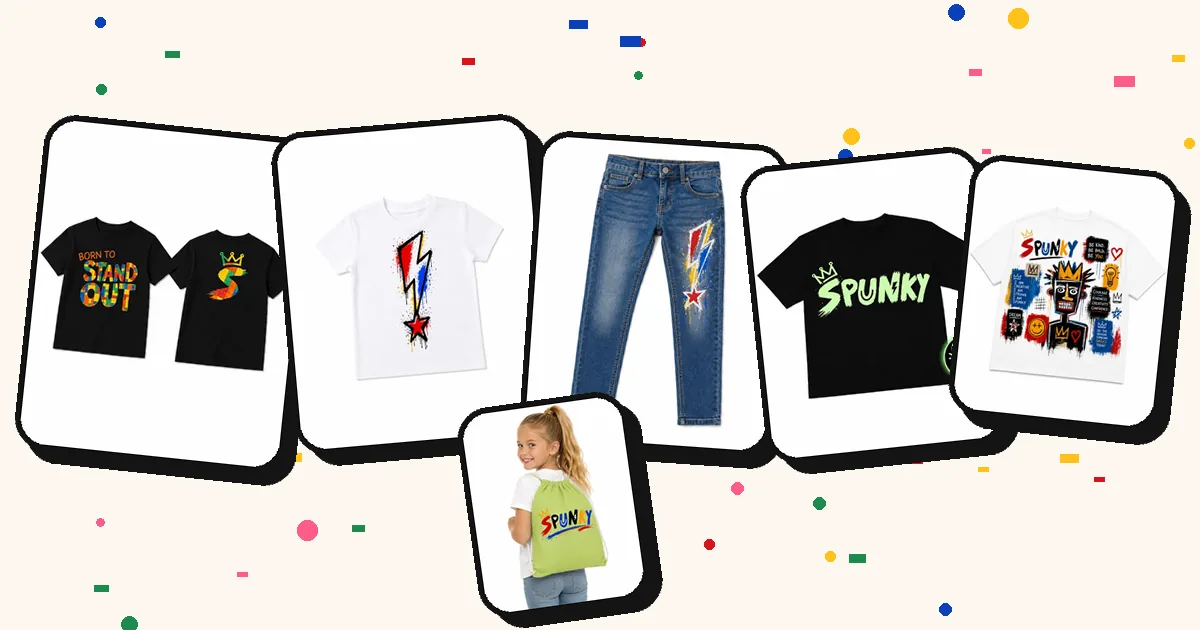
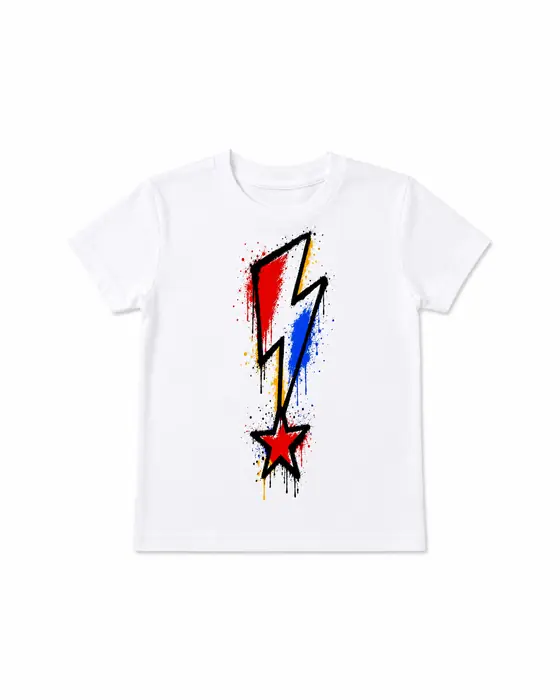
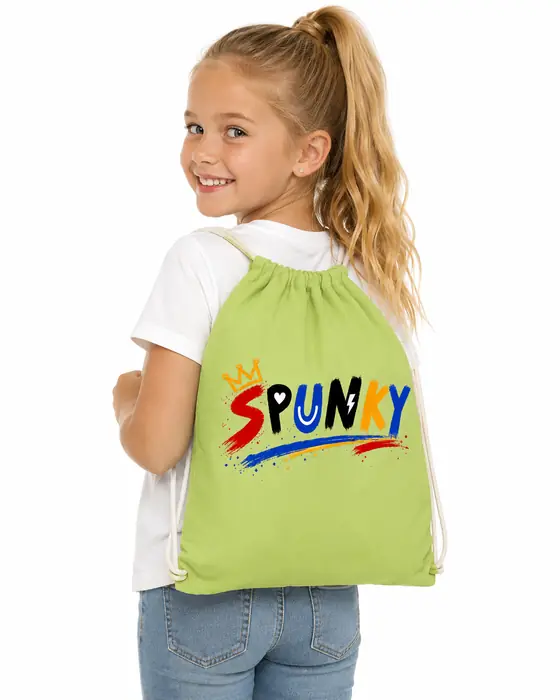
The Lightning Bolt Kids T-Shirt has a dynamic lightning bolt and star graphic on soft, comfortable cotton, and the Spunky Drawstring Backpack has a multi-color “Spunky” graphic and playful crown, lightweight and durable for after-school activities with the friends who get them.
5. Keep home a safe place to talk
Kids share more when they don’t expect a lecture:
- Listen first. Ask, “What happened next?” before giving advice.
- Thank them for telling you, even when the story includes a mistake.
- Talk about do-overs. “If that happens again, what might you try?”
- Share your own story. A time you went along with a group, and what you learned.
Our questions to ask your kids, listening skills and teaching kids honesty posts can help keep those conversations going.
If your kid seems pressured into something unsafe, is suddenly withdrawn or afraid to go to school, or you are worried about their safety, reach out to their teacher, school counselor or pediatrician. You do not have to handle it alone.
Know your mind. Say your no. Stand out.
More confidence ideas: try our positive affirmations and growth mindset posts, or browse the full collection. Every product page has the full details, and our returns & refunds policy explains exchanges. Questions? Write to standout@spunkyones.com.