A friend gets a new bike. A sibling gets the bigger slice. A classmate gets picked first. And your kid’s face falls into a scowl: “That’s not fair!”
Jealousy shows up in every family. It usually means a kid wants something, or wants to feel just as loved and noticed. The goal is not to make the feeling disappear. It is to help kids understand it and choose kind actions anyway. Here is a simple plan.
1. Name the feeling without shame
Kids calm down faster when the feeling has a name:
- Say what you see. “You really wanted a turn with that. It’s hard to watch someone else have it.”
- Make it normal. “Everyone feels jealous sometimes, grown-ups too.”
- Separate the feeling from the action. Feeling jealous is okay. Grabbing or saying mean things is not.
- Wait for calm before the bigger talk.
Our big feelings and mindfulness for kids posts have calm-down tools that work for jealous moments, too.
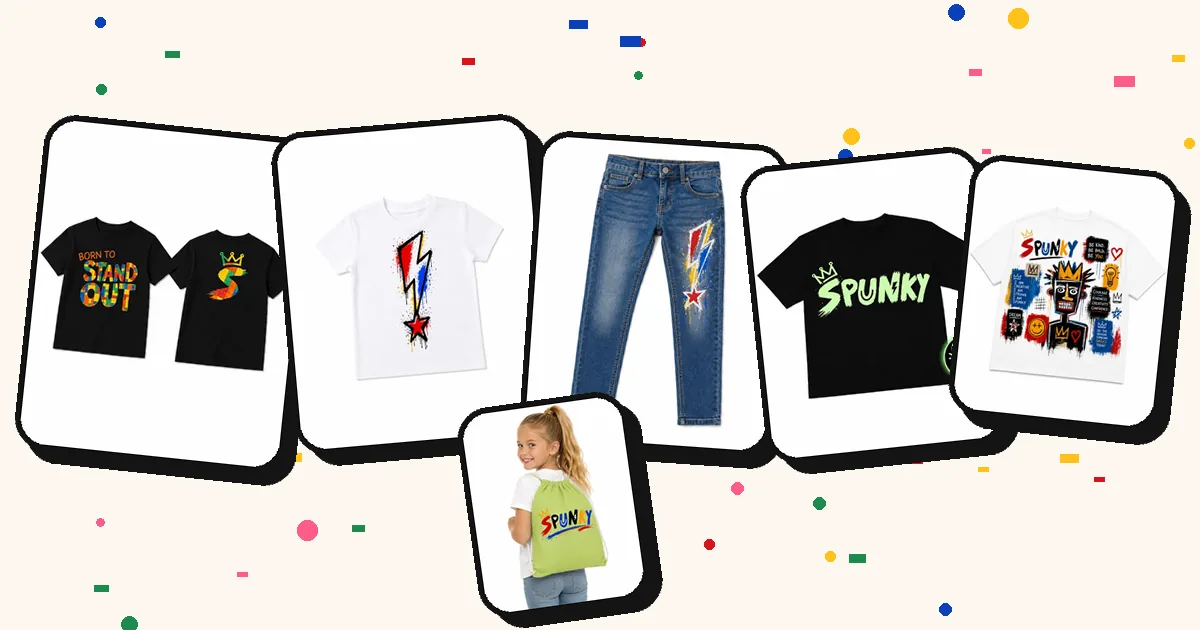
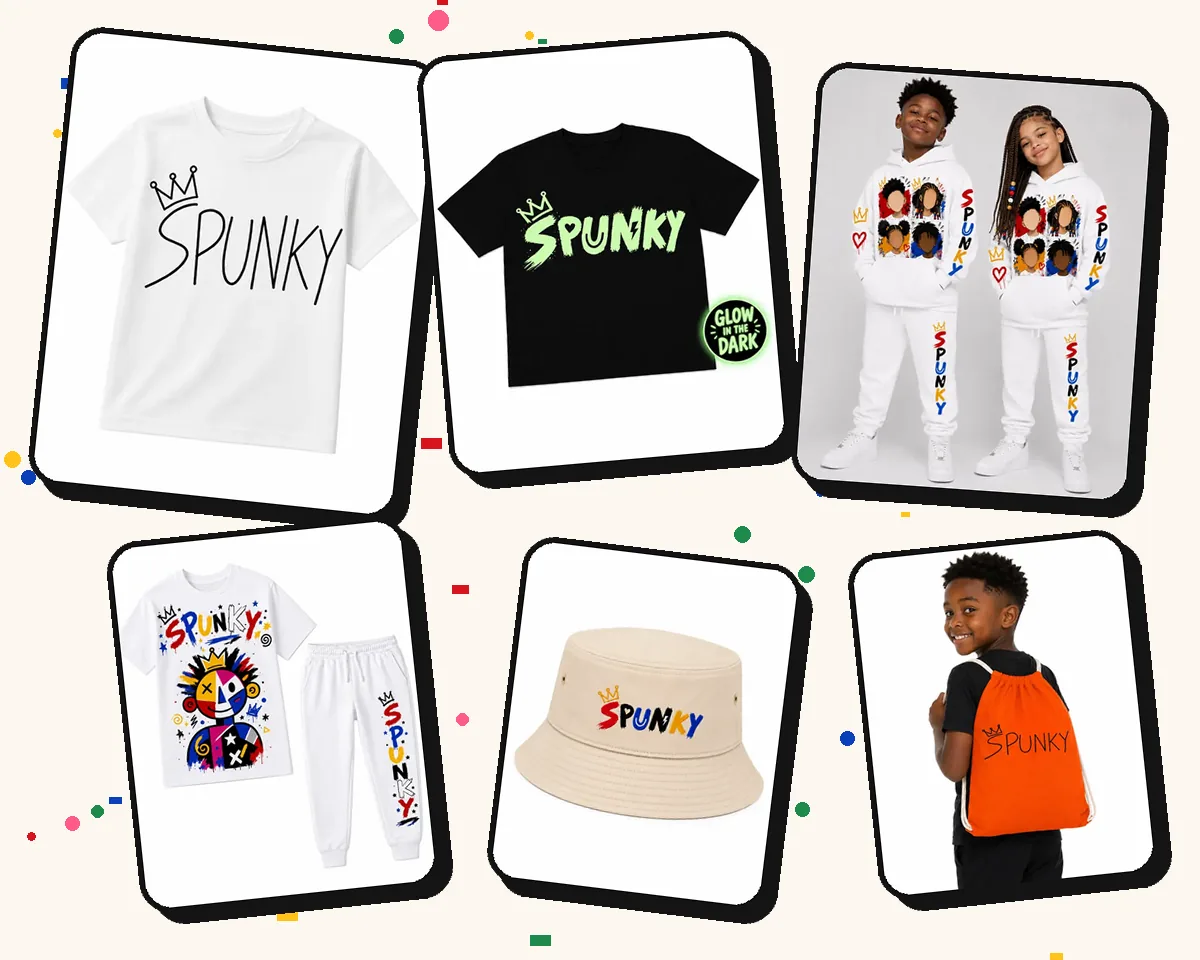
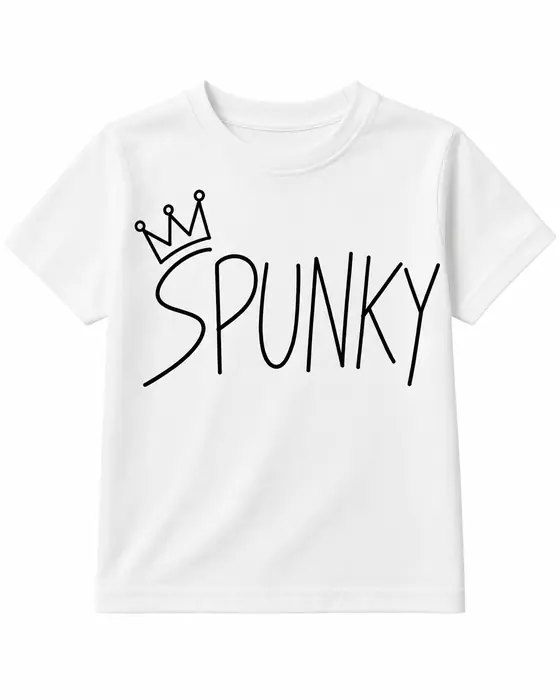
The Spunky Kids’ T-Shirt is a white cotton tee with “SPUNKY” and a fun hand-drawn crown, an easy match for just about anything, and the Spunky Glow-in-the-Dark T-Shirt features a striking, graffiti-style “SPUNKY” logo and crown accent in glow-in-the-dark ink, a reminder that every kid has their own way to shine.

2. Explain fair vs. equal
Kids often think fair means everyone gets the same thing at the same time. Help them see a bigger picture:
- Use a simple example. A kid with a scraped knee gets a bandage. Everyone else doesn’t need one.
- Talk about turns over time. “Today is her birthday. Your day is coming.”
- Keep promises you make. If you say their turn is next, follow through.
- Avoid keeping score out loud. Counting every treat can make comparing worse.
Our helping siblings get along and teaching kids to share posts have more ideas for sharing and turn-taking at home.
3. Turn comparing into cheering
Jealousy often fades when kids practice celebrating others:
- Try a “cheer for them” moment. “What could you say to your friend about the new bike?”
- Celebrate family wins together so one person’s good news feels like everyone’s.
- Ask to learn from them. “Can you show me how you did that?” turns envy into curiosity.
- Notice when they do it. “You cheered for your sister. That was kind.”
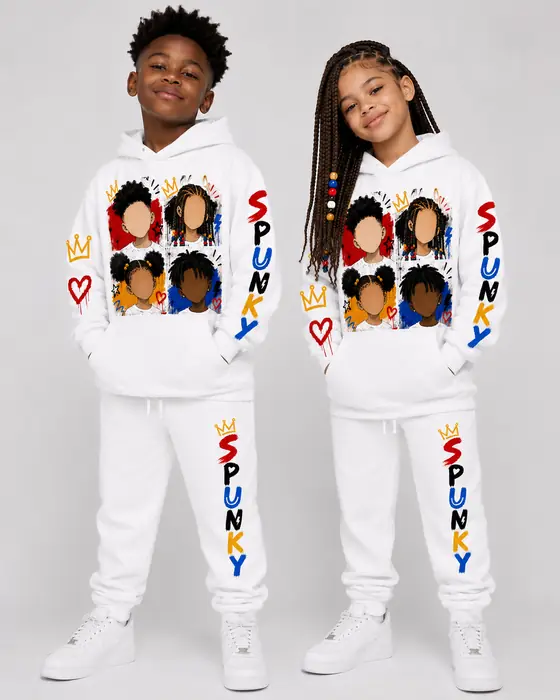
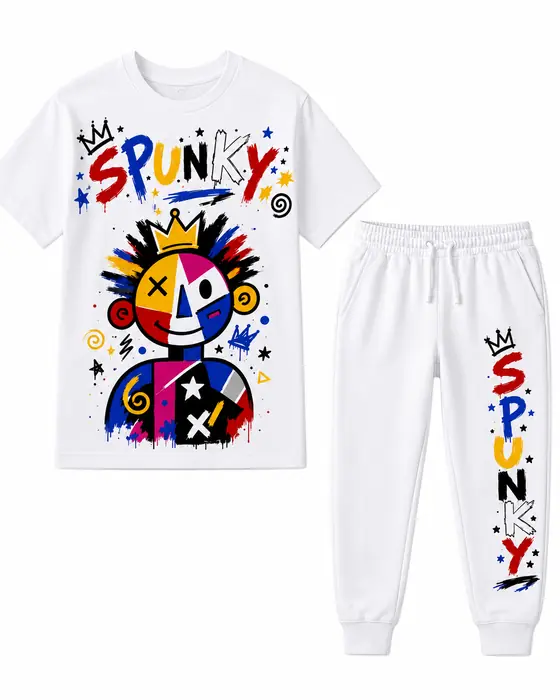
The Spunky Kids Graphic Tracksuit is a matching hoodie and joggers set with artistic faces, playful hearts and crowns, and “SPUNKY” in colorful letters down the sleeve and leg, and the Spunky Graffiti Kids Set is a matching t-shirt and sweatpants combo with a playful abstract cartoon face and bold lettering, made from soft, breathable fabric for all-day comfort, comfy picks for siblings cheering each other on.
Our teaching kids empathy and kindness in action posts have more ways to practice being happy for others.
4. Help them notice their own strengths
Kids who feel seen are less likely to keep comparing:
- Name a strength each day. Something specific: “You were patient when the puzzle was tricky.”
- Keep a “things I can do” list on the fridge and add to it together.
- Give one-on-one time. Even ten minutes of focused attention helps.
- Connect wants to goals. If they want a skill a friend has, make a small practice plan.
Our gratitude activities, body positivity and goal setting posts help kids focus on what they already have and what they can grow.
5. Model kind words at home
Kids learn how to handle jealousy by watching grown-ups:
- Celebrate other people’s good news out loud. “That’s great for them!”
- Skip comparing kids to each other or to their friends.
- Share a jealous moment of your own and how you handled it.
- Repair after a slip. If a jealous word slips out, show how to apologize and try again.
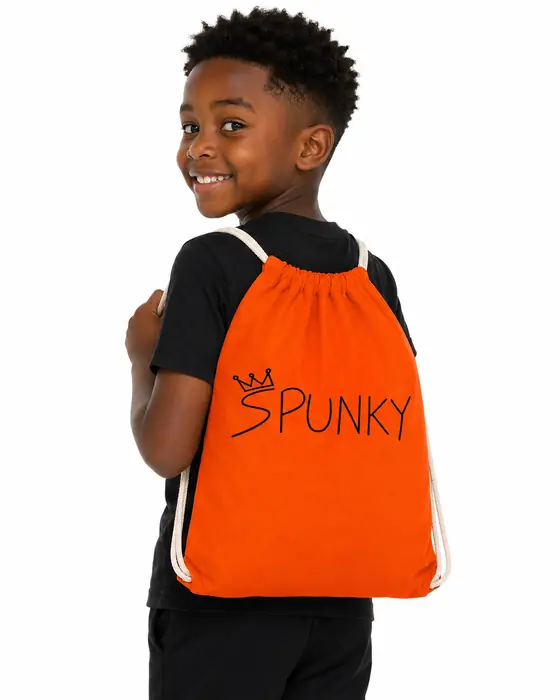
The SPUNKY Bucket Hat has a colorful, bold design, a crown detail and vibrant lettering, and the Spunky Drawstring Backpack has a playful “SPUNKY” print with a crown detail and comfortable white rope straps, durable yet lightweight for a day out together.

Our teaching kids to apologize and celebrating differences posts carry the same kind-words habit into everyday life.
Jealousy is a normal part of growing up. If it often turns into aggression, lasting sadness or big changes in eating or behavior, talk with your pediatrician or a school counselor. They can help you figure out whether more support would help.
Feel it. Name it. Choose kind.
More kindness ideas: try our family meeting ideas and helping kids handle losing posts, or browse the full collection. Every product page has the full details, and our returns & refunds policy explains exchanges. Questions? Write to standout@spunkyones.com.