“Mine!” might be one of the first words kids learn to say with real feeling. Wanting to hold on to favorite things is completely normal, especially for little ones who are just figuring out what belongs to them.
Sharing is a skill that grows over time, like learning to tie shoes. Instead of forcing it, you can teach it, model it and make it feel safe. Here’s how.
1. Understand why sharing is hard
Knowing what’s going on in their heads makes it easier to stay patient:
- Little ones live in the now. Giving up a toy can feel like losing it forever, because “later” is hard to imagine.
- Ownership is new. Kids are still learning what “mine,” “yours” and “ours” mean.
- Feelings run big. Waiting for a turn can bring frustration, and that’s okay.
- It gets easier with age. Older kids start to see how sharing helps friends and makes games more fun.
Our teaching kids patience post has games that make waiting a little easier, and our big feelings post helps when a turn ends in tears.
2. Start with taking turns
Turn-taking is the friendliest first step, because kids know the toy is coming back:
- Use a timer. “You get the truck until the timer beeps, then it’s Maya’s turn.”
- Say whose turn is next. “Jamal is next, then you.” Knowing the order eases worry.
- Teach the words. “Can I have a turn when you’re done?” and “You can have it in two minutes.”
- Let them finish. A kid using a toy can usually wrap up before passing it on.
- Celebrate the handoff. “You gave him a turn. Look how happy he is!”
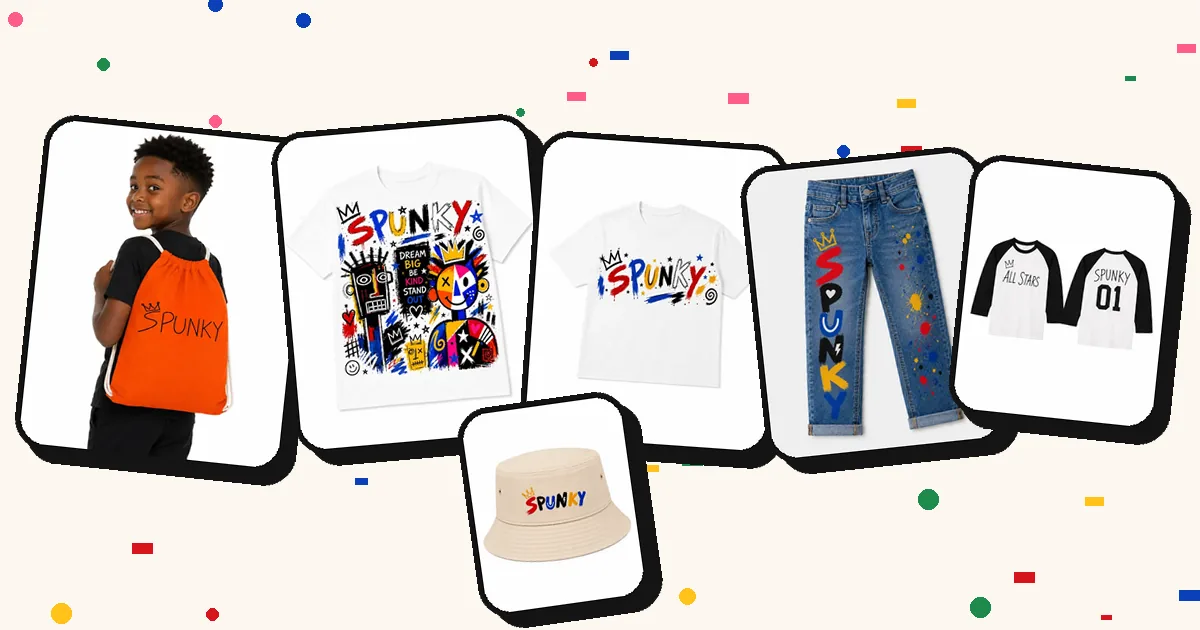
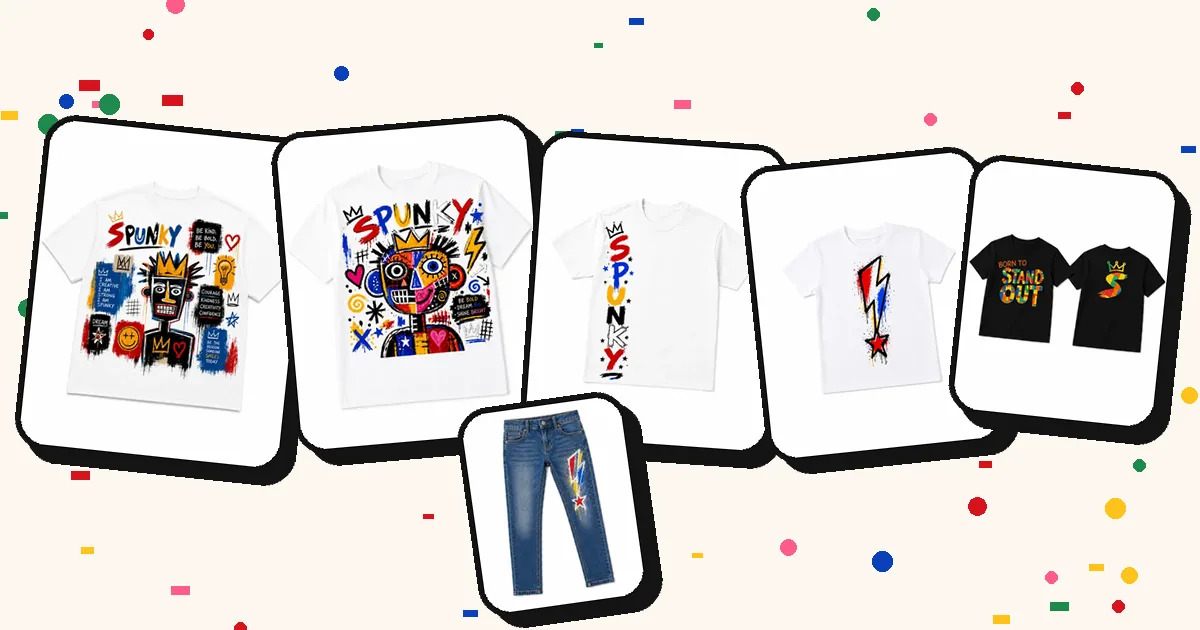
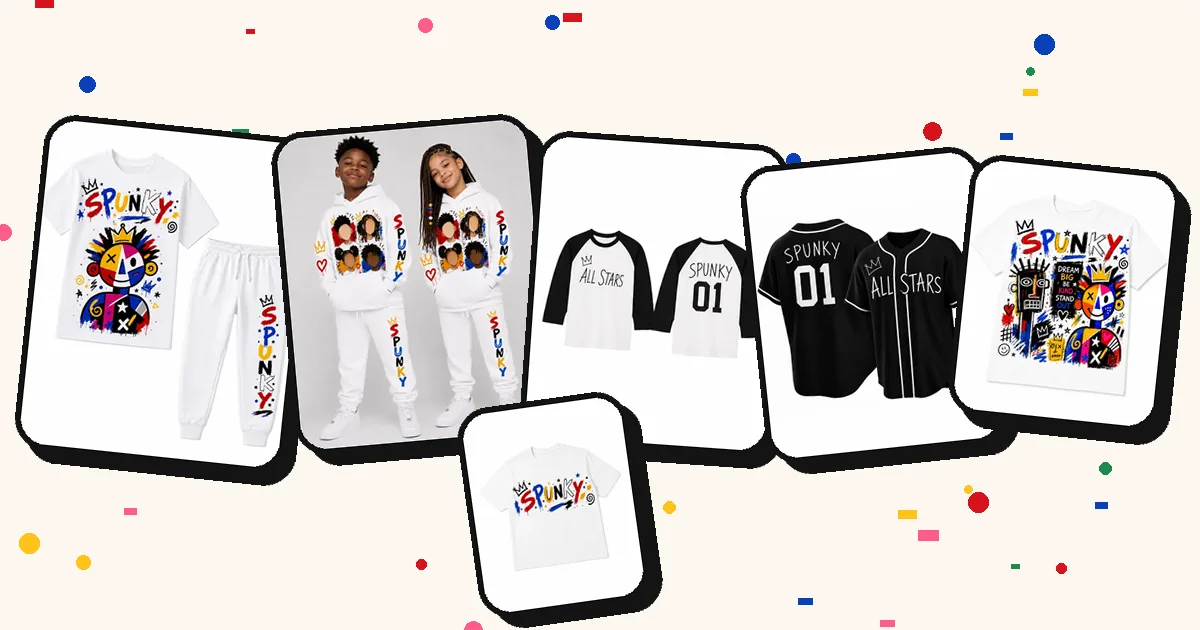
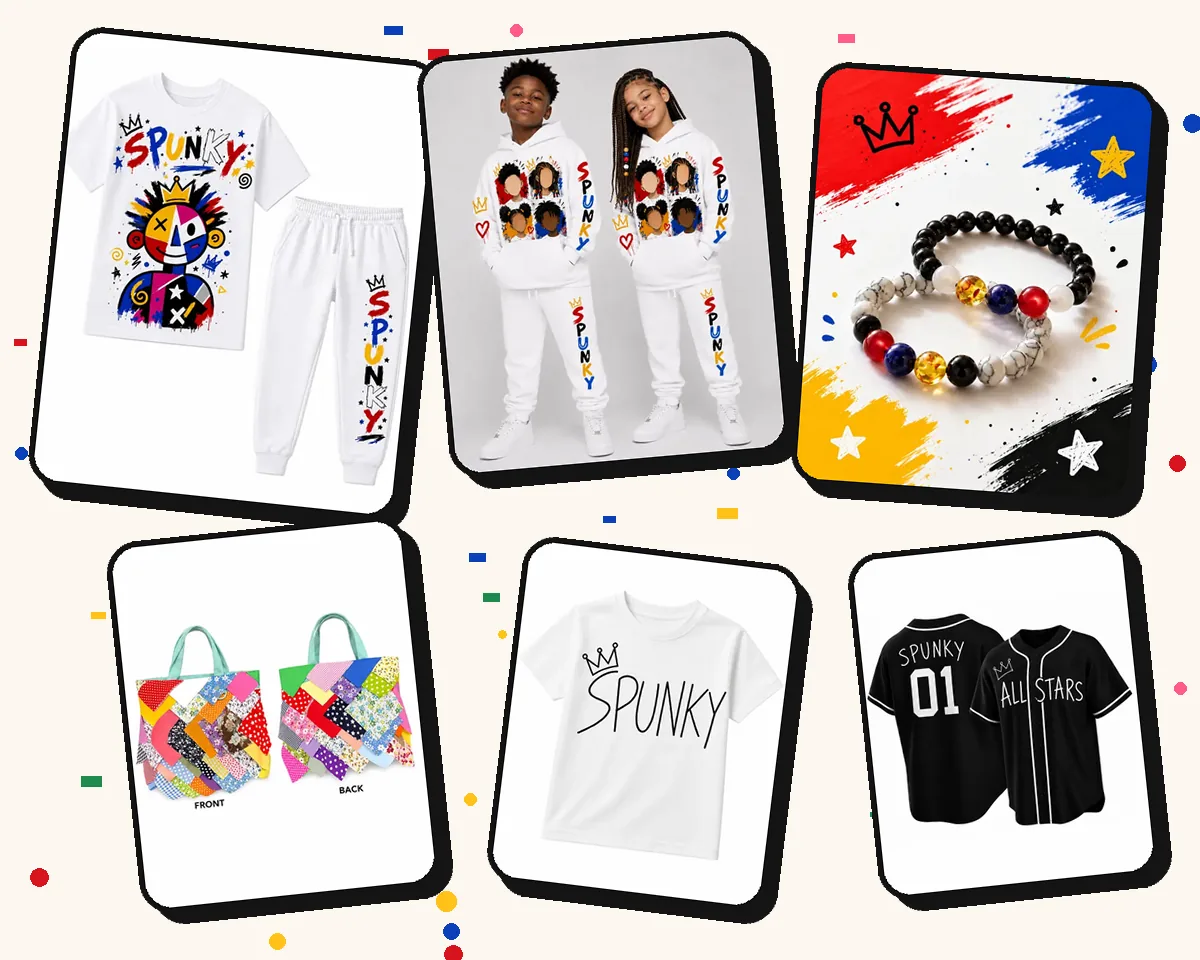
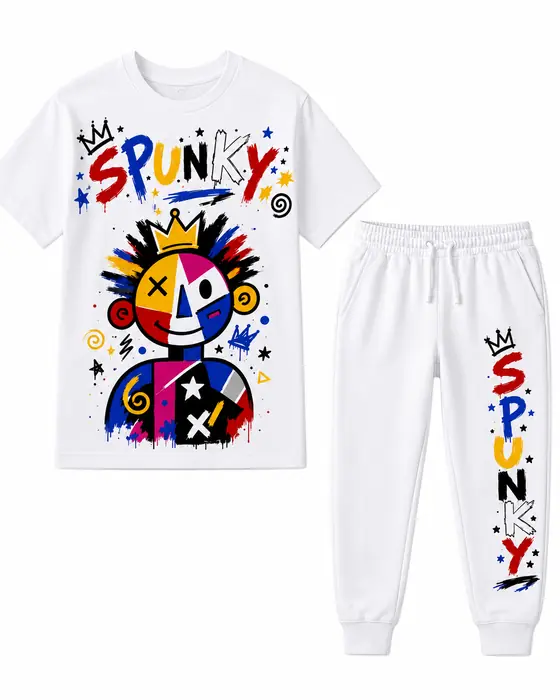
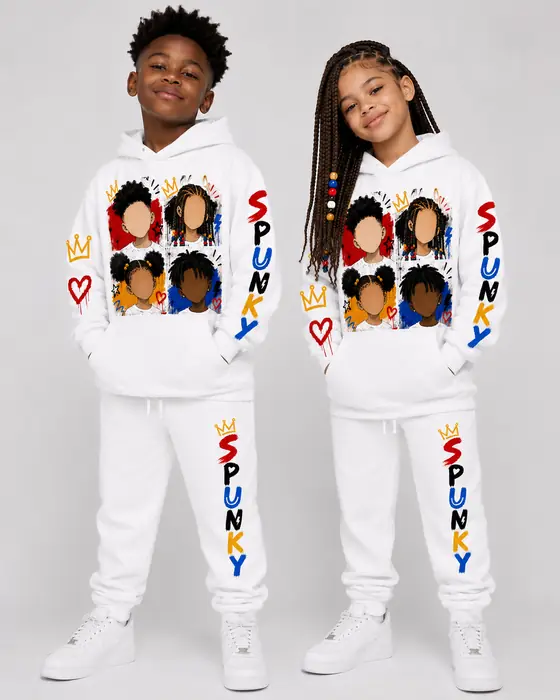
The Spunky Graffiti Kids Set is a matching t-shirt and sweatpants combo with a playful abstract cartoon face and bold lettering, made from soft, breathable fabric for all-day comfort, and the Spunky Kids Graphic Tracksuit is a matching hoodie and joggers with artistic faces, hearts and crowns, plus “SPUNKY” down the sleeve and leg.
3. Let some things stay special
Kids share more easily when they know a few treasures are just theirs:
- Pick a few special items, like a lovey or a brand-new toy, that don’t have to be shared.
- Put them away before playdates so there’s nothing to fight over.
- Set out “share bins” with toys everyone can use, like blocks, balls and art supplies.
- Respect their answer when it’s truly theirs, and ask friends and siblings to do the same.
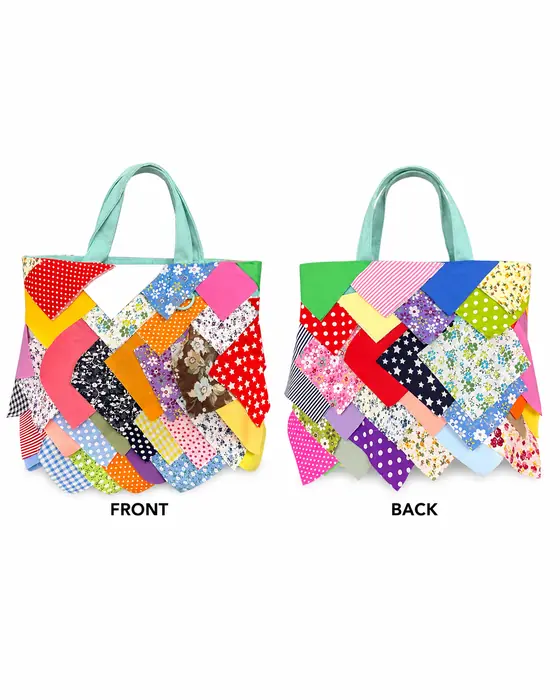
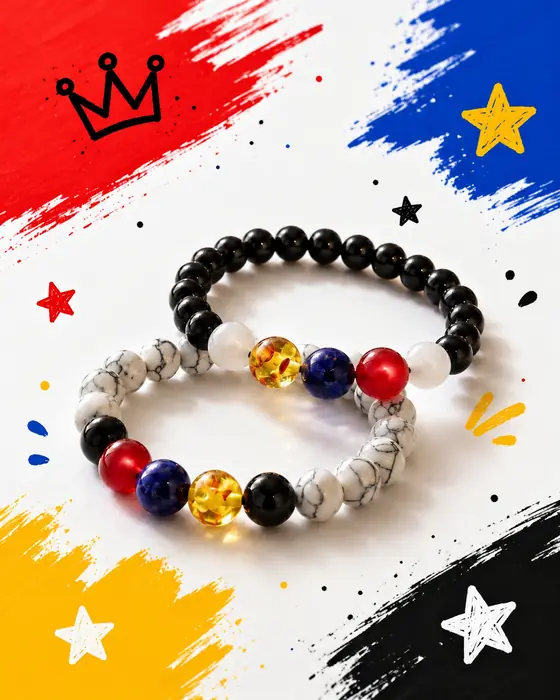
The Colorful Patchwork Tote Bag is handmade from colorful, patterned fabrics, so every bag is one-of-a-kind, a handy home for a playdate share bin, and the Royal Color Bead Bracelet Set is handmade with beads in bold colors, made for stacking or wearing alone.
Our how to help kids make friends post has more ideas for smooth playdates.
4. Practice sharing through play
Games give kids a low-pressure way to try sharing:
- Build one thing together. One tower, one puzzle, one big drawing that everyone adds to.
- Snack-sharing time. Let kids pass a bowl of snacks around the table.
- Pretend play. Act out a store, a restaurant or a doctor’s office where everyone swaps roles.
- Puppet shows. Let stuffed animals show what sharing and not sharing look like.
- Share more than stuff. Kids can share a joke, a story, a seat or a compliment.
Our teamwork for kids and pretend play ideas posts have more games that build cooperation, and our teaching kids about money post shows how kids can save, spend and share.
5. Model it and notice it
Kids learn the most from what they see and what gets noticed:
- Share out loud. “I’m sharing my umbrella with you so we both stay dry.”
- Catch them being generous and name it: “You shared your crayons. That was so kind.”
- Skip forced sharing. Making a kid hand over a toy right away can make them hold on tighter next time.
- Talk about feelings. “How do you think your friend felt when you gave her a turn?”
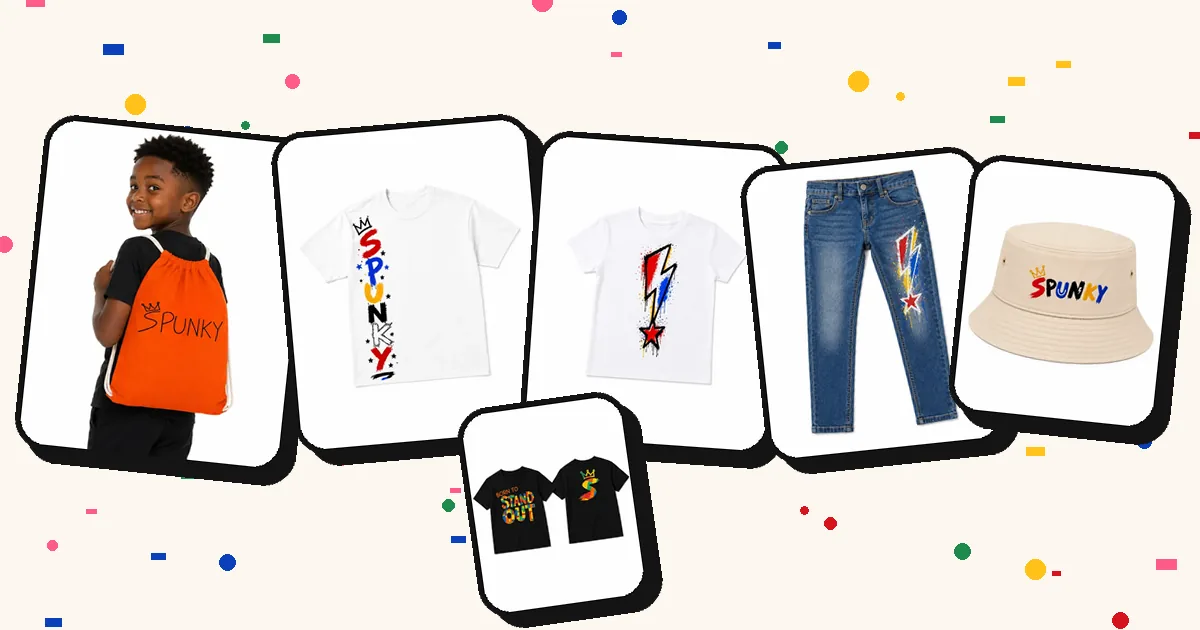
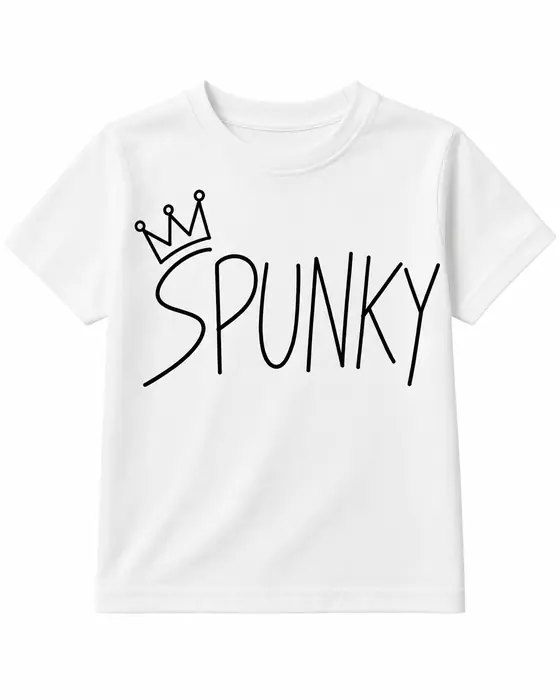
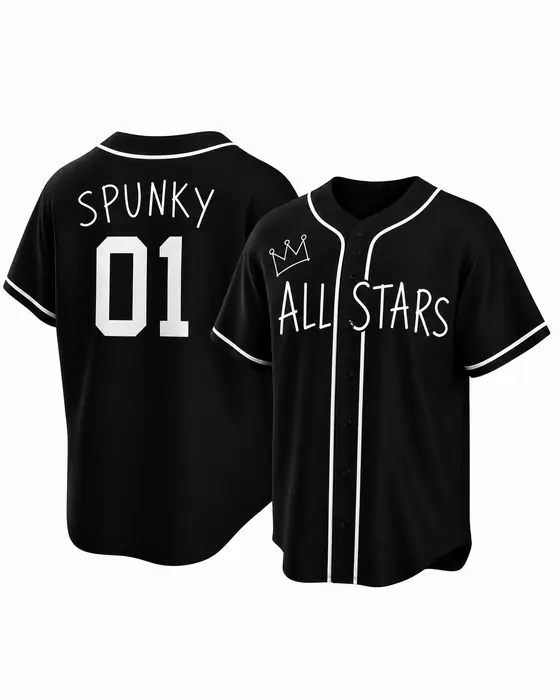
The Spunky Kids’ T-Shirt is a white cotton tee with “SPUNKY” and a fun hand-drawn crown, an easy match for just about anything, and the All Stars Baseball Jersey is a sleek all-black design with bold white accents, an “All Stars” print with a crown on the front and “Spunky 01” on the back.
Every kid learns to share at their own pace, and toddlers especially will still grab and say “mine.” Step in calmly if there’s hitting or grabbing that gets rough, and keep small toys and beads away from babies and toddlers who might put them in their mouths. If sharing struggles feel constant or intense, your pediatrician or your kid’s teacher can help.
My turn. Your turn. Be kind.
More kindness ideas: try our helping siblings get along and teaching kids empathy posts, or browse the full collection. Every product page has the full details, and our returns & refunds policy explains exchanges. Questions? Write to standout@spunkyones.com.