Sooner or later, every kid announces it: “I can do it myself!” It might take longer, and the shoes might end up on the wrong feet. But that drive to do things on their own is one of the best things you can grow.
Independence isn’t about kids doing everything alone. It’s about giving them the skills, the setup and the chances to feel capable, a little more each year. Here’s how to help.
1. Pick skills that fit their age
Every kid is different, so use these as starting ideas, not a checklist:
- Little ones: put on shoes with hook-and-loop straps, wash hands, pick between two outfits, put toys in a bin.
- Early school age: get dressed alone, brush teeth, pack a backpack, pour a drink, make a simple snack.
- Big kids: set an alarm, make a sandwich, sort their laundry, keep track of homework and pack for a trip.
Getting dressed is a great place to start. Our let kids choose their outfits post shows how to give kids real choices without the morning standoff.
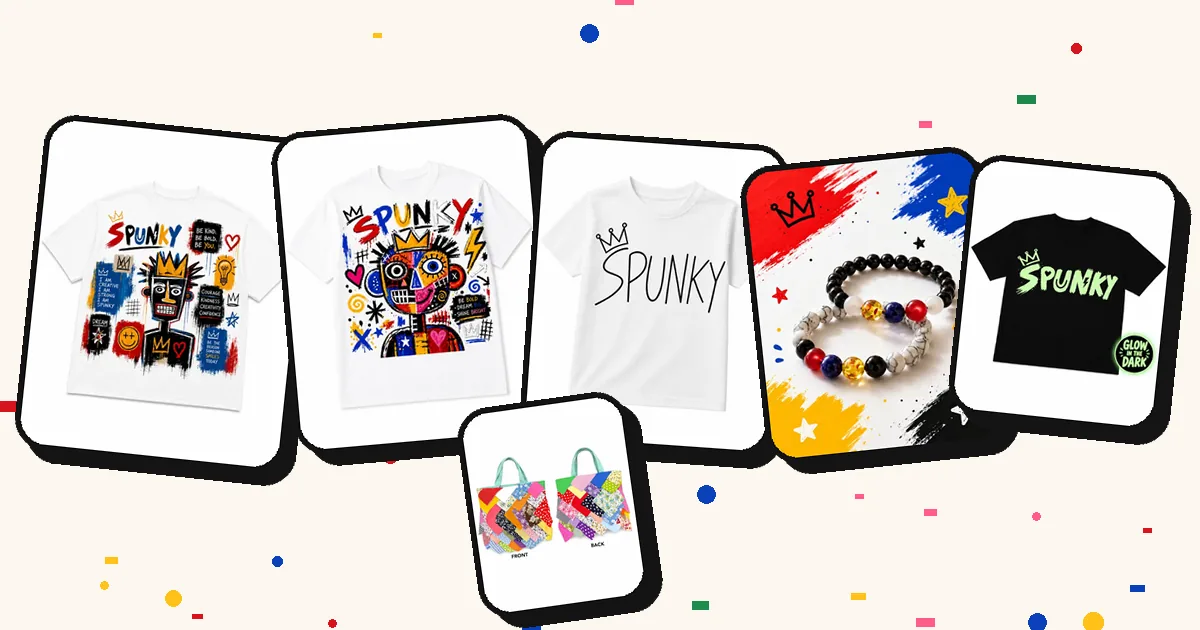
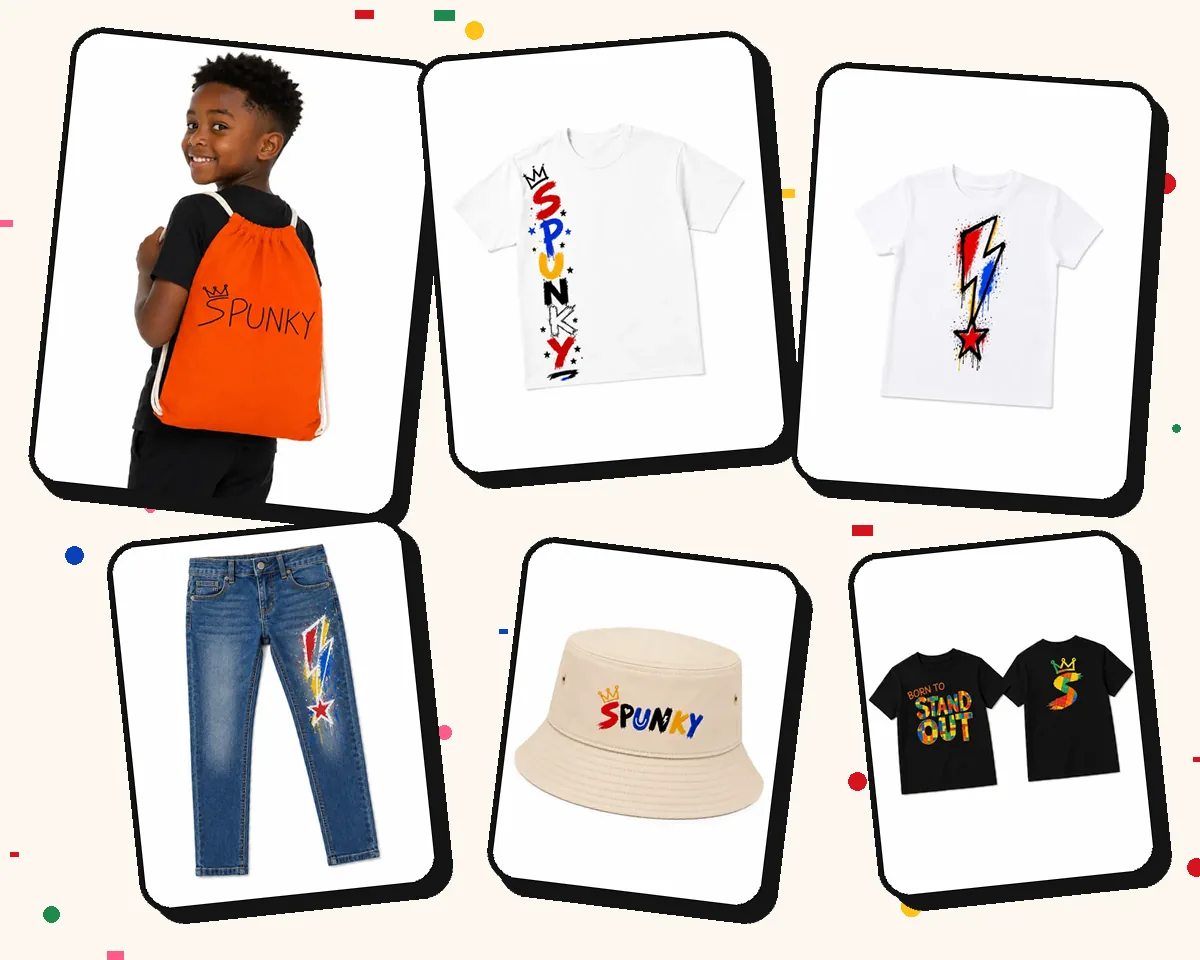
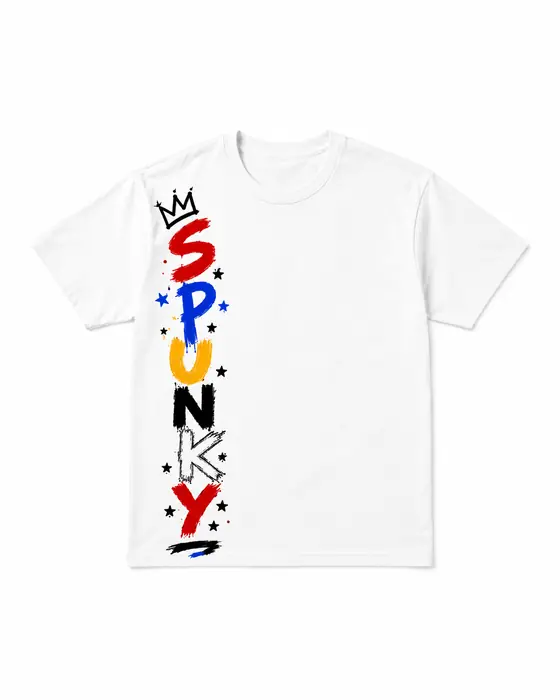
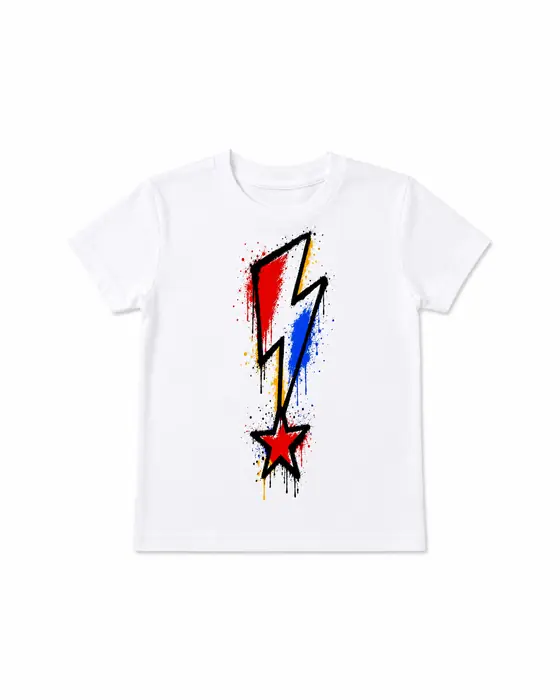
The SPUNKY Vertical Graphic T-Shirt has graffiti-inspired lettering down the left side, a playful crown, scattered stars and splashes of red, yellow, blue and black, and the Lightning Bolt Kids T-Shirt has a dynamic lightning bolt and star graphic on soft, comfortable cotton.
2. Set up a kid-friendly home
Kids do more on their own when they can reach what they need:
- Low hooks by the door for jackets, hats and bags.
- A kid shelf in the fridge or pantry with snacks they can grab.
- A step stool at the sink for brushing teeth and washing hands.
- Clear bins with picture labels so cleanup has an obvious home.
- A launch spot where shoes, backpack and water bottle live every night.
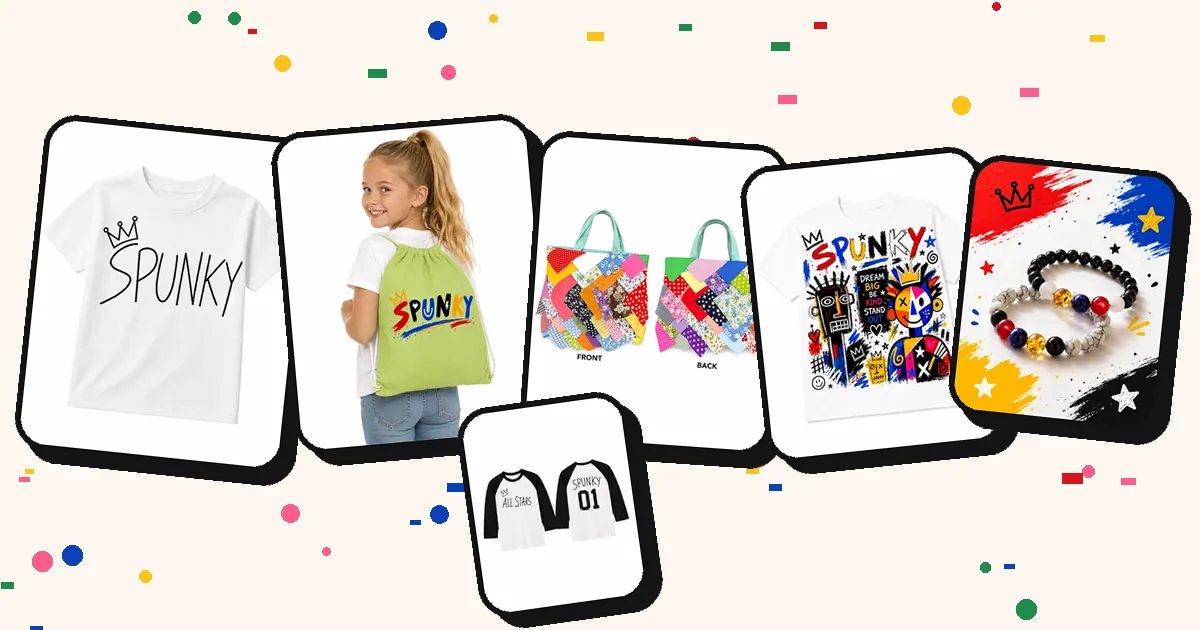
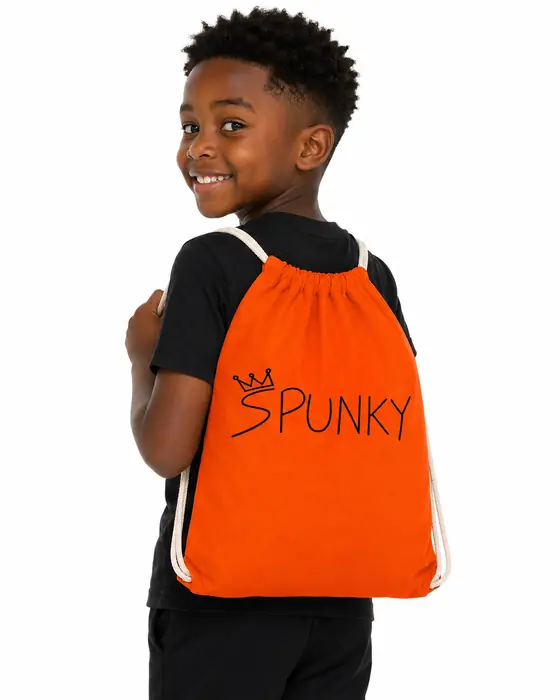
The Spunky Drawstring Backpack has a playful “SPUNKY” print with a crown detail and comfortable white rope straps, and it’s durable yet lightweight, so kids can carry it themselves, and the SPUNKY Bucket Hat has a colorful, bold design, a crown detail and vibrant lettering, ready to grab from its hook on the way out.

Our school morning routine post has a picture checklist that pairs perfectly with a launch spot.
3. Teach one step at a time
Big jobs feel doable when you break them down:
- Show, then do it together. Model the skill slowly, then try it side by side.
- Hand over the last step first. You zip the jacket most of the way, and they pull it to the top.
- Use a picture list for routines with lots of steps, like getting ready for bed.
- Keep your words short. “Shoes, then jacket, then bag” is easier to remember than a speech.
Our age-appropriate chores post has more jobs kids can take on around the house.
4. Let them struggle a little
It’s tempting to jump in. Waiting a moment longer teaches more:
- Count to ten before you help, and let them keep trying.
- Offer a hint, not a fix. “What if you hold the bottom of the zipper first?”
- Plan extra time on busy mornings so you’re not rushing to take over.
- Let small mistakes stand. A mismatched outfit or a crooked bed is still a win.
Our problem-solving skills and teaching kids to ask for help posts show how to balance trying on their own with knowing when to ask.
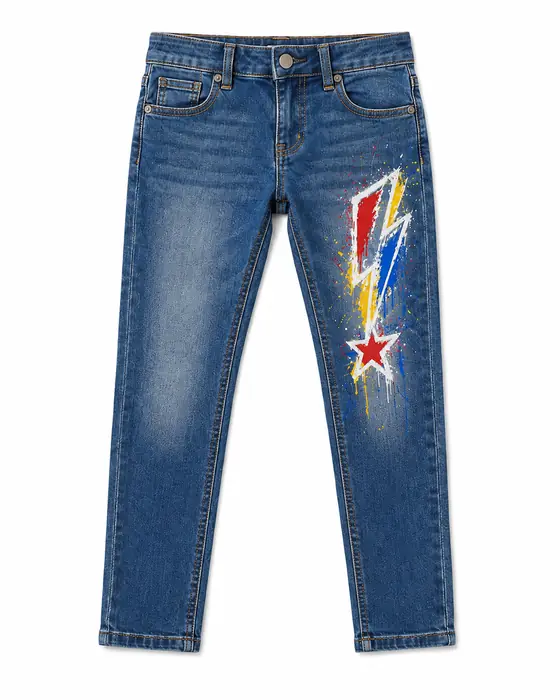
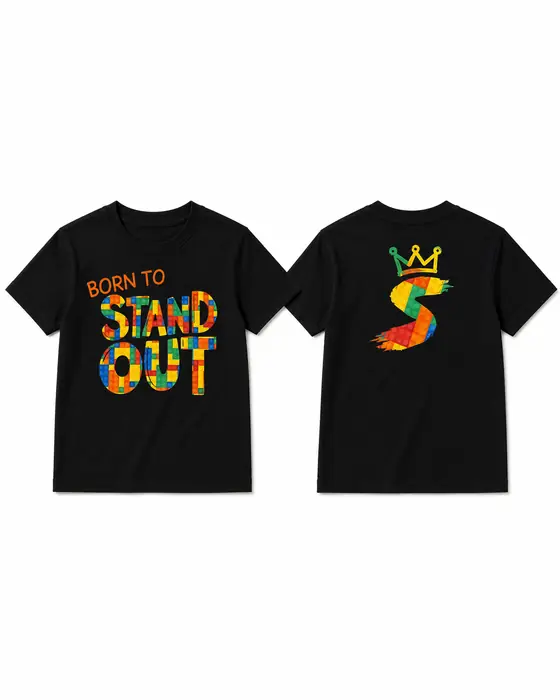
The Lightning Bolt Kids’ Jeans have a vibrant lightning bolt and star patch on durable, comfortable denim with a classic fit, and the Stand Out Graphic T-Shirt says “Born to Stand Out” in vibrant, multicolored lettering on a black tee, with a creative crown design on the back.
5. Cheer progress and build trust
Independence grows when kids feel trusted and noticed:
- Name the skill. “You packed your whole bag by yourself!”
- Add a little more freedom as they show they’re ready, like ordering at a restaurant or paying at the counter with you nearby.
- Give them a real job on family outings, like holding the list or finding the aisle.
- Celebrate firsts on a “look what I can do” list on the fridge.
Our goal setting for kids post shows how to turn a new skill into a goal they can track.
Every kid builds skills at their own pace, so go gently and skip comparisons with siblings or friends. Keep a grown-up close for anything involving the stove, sharp knives, hot water or crossing streets, and childproof cabinets and medicines no matter how capable kids seem. If you have questions about your kid’s development, your pediatrician is a great place to start.
I can do it. I did it. What’s next?
More everyday ideas: try our homework routine and growth mindset for kids posts, or browse the full collection. Every product page has the full details, and our returns & refunds policy explains exchanges. Questions? Write to standout@spunkyones.com.